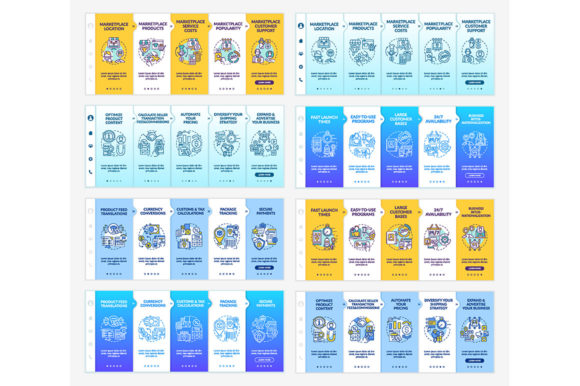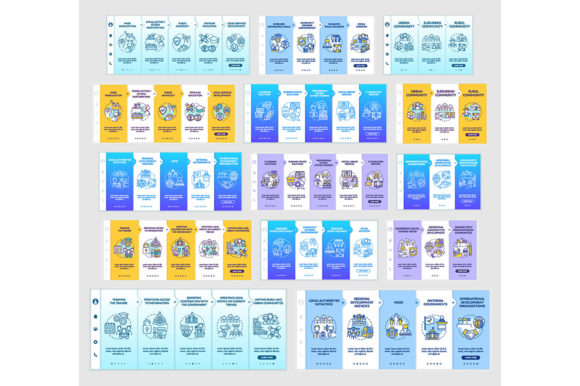
Social Units Types Onboarding Template
A Designer’s First Glance: Clean, Calm, and Quietly Purposeful
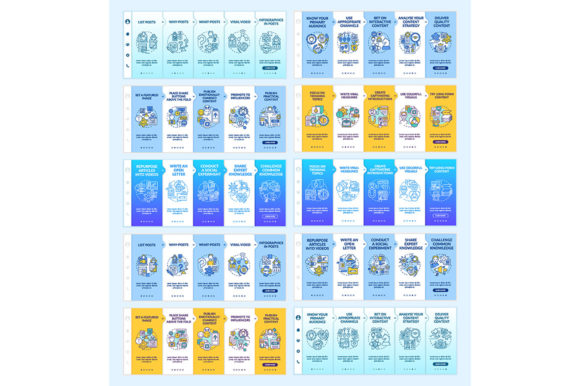
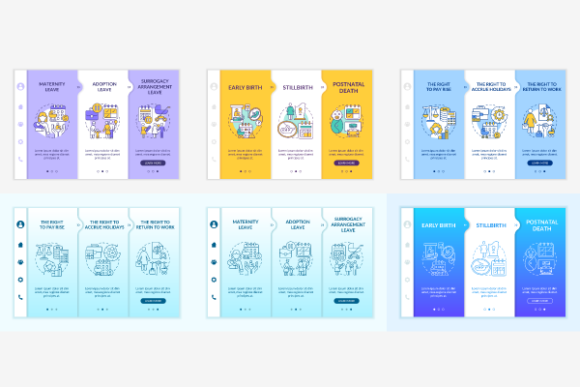
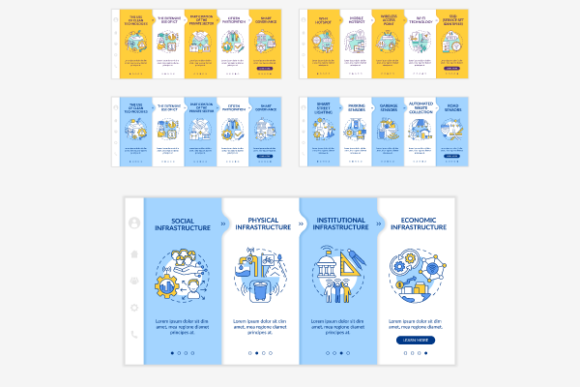
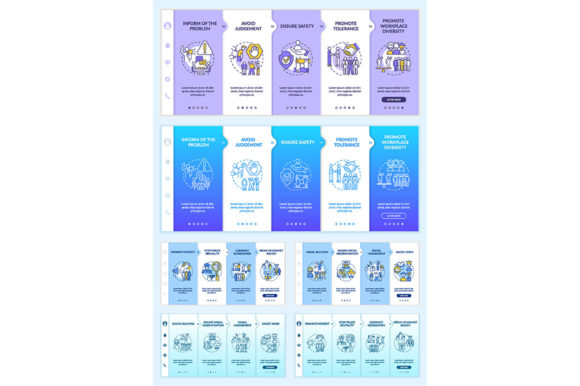
When I opened Social Units Types Onboarding Template, my first thought wasn’t “Wow!”—it was “Ah. This breathes.” The linear illustrations feel intentional, not busy. The urban-suburban color concept—soft greys, warm taupes, muted sage—lands gently, like chalk on a sidewalk or ink on unbleached linen. It’s not loud, which is exactly why it caught my attention for embroidery. This isn’t a design shouting for attention; it’s one that earns it through quiet cohesion. I immediately pictured it stitched onto a natural cotton tote bag for a neighborhood co-op shop—minimal, meaningful, and unmistakably handmade.
Where It Lives Best in Real Embroidery Projects
This template thrives where clarity meets calm: baby embroidery on organic cotton onesies, sweatshirt embroidery for community garden volunteers, pillow covers for suburban home offices, or embroidered patches sewn onto denim aprons for local cafés. Its responsive, three-step walkthrough layout translates surprisingly well to stitched storytelling—think of each screen as a small vignette: a house icon, a park bench, a shared mailbox—all rendered with clean lines and open negative space. That openness is gold for machine embroidery design. It means fewer fill stitches, less thread buildup, and smoother transitions across fabric textures.
I tested a scaled-down version (about 3.5” wide) on a medium-weight twill tote bag. With light tear-away stabilizer and 40-weight rayon thread, the linear illustrations held crisp edges without bleeding or puckering. No satin stitch drama—just confident running and fill stitches that let the shape speak for itself. For Etsy sellers, this is a quietly versatile digital embroidery file: pair it with neutral apparel, use it as a boutique branding element on tea towels or kitchen linens, or layer it subtly into holiday embroidery for new homeowners or wedding gifts.
Where to Pause—and Plan Ahead
Don’t rush this into tight spaces or tricky substrates. Because Social Units Types Onboarding Template includes small icons and fine linear details—like the subtle window lines in the house illustration or the delicate branch strokes in the park scene—it needs breathing room. Avoid hoops smaller than 4x4 inches unless you’re simplifying key elements manually. On stretchy fabric (like lightweight jersey tees), those thin lines can distort without proper cut-away stabilizer and careful hooping. And on dark fabric? Test thread colors thoroughly—the muted palette looks elegant on oatmeal or charcoal, but pale sage or dusty rose threads may vanish without contrast testing in black-and-white mockups first.
Also note: while the vector origin suggests scalability, embroidery isn’t vector art. Tiny lettering (if any text is embedded) won’t survive stitching at under 0.2” height. And curved surfaces—like caps or curved pillow seams—will compress those clean horizontal lines. If you’re planning a custom apparel run for a local PTA, consider simplifying the third screen’s icon set into one unified emblem instead of three distinct steps. That small edit boosts recognizability and reduces stitch density in high-wear zones.
What It Adds—Beyond Thread and Fabric
This isn’t just another graphics download. Used thoughtfully, Social Units Types Onboarding Template elevates perceived value. Customers don’t just see a stitched icon—they sense intention. A nursery decor piece with this design feels grounded, not generic. A personalized gift for a new neighbor carries warmth without cliché. For craft business owners, it supports brand consistency: imagine using the same visual language across embroidered aprons, printable mockups for your website, and digital product previews—all rooted in that cohesive urban-suburban color concept.
It also builds trust. Handmade product buyers respond to designs that look *designed*, not dropped in. The balanced spacing, restrained detail, and human-scaled proportions tell customers you paid attention—not just to stitch count, but to meaning. That matters whether you’re listing on Etsy, selling at a craft fair, or supplying small shop products to local boutiques.
Practical Notes Every Embroidery Designer Should Check
- Always test first: Run a sample on scrap fabric matching your final substrate—especially if using textured weaves like canvas or terry cloth.
- Review stitch density: Even minimalist designs can overfill small areas. Zoom in on corners and icon junctions before finalizing.
- Confirm hoop size compatibility: The original vector may scale beautifully—but your machine has limits. Know your max embroidery area before digitizing.
- Inspect small details: Are those linear park benches legible at 2.5”? If not, simplify or rework before stitching.
- Compare light/dark backgrounds: Print black-and-white mockups to assess contrast—thread color choice makes or breaks readability.
- Use proper stabilizer: Light fabrics need more support; dense stitch zones need stability. Don’t skip this step.
- Check licensing: As a Graphics asset in the Graphic Templates category, confirm whether commercial embroidery rights are included—especially if selling finished products or digital embroidery files.
Final Thought: A Design That Serves, Not Shouts
Social Units Types Onboarding Template won’t dominate a tradeshow booth—but it will linger in memory. It fits best where embroidery plays a supporting, grounding role: in thoughtful gifting, local community branding, and quiet personalization. It’s the kind of design that makes a baby embroidery set feel curated, not mass-produced. That’s rare. And for makers who care about how their work lands—not just how it stitches—that’s worth slowing down for.