Smart Sensor Systems Vector Template
A Designer’s First Glance: Clean, Calm, and Quietly Confident
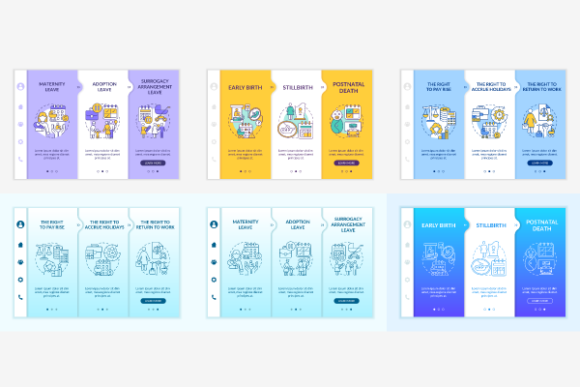
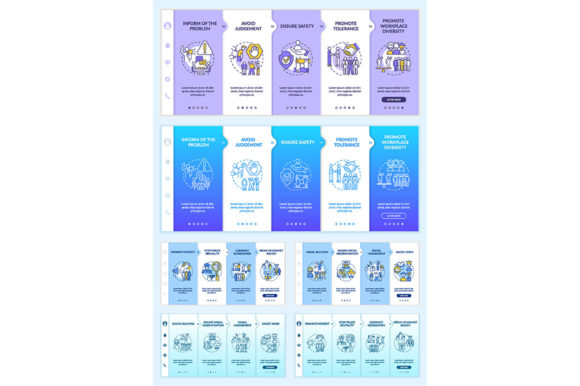
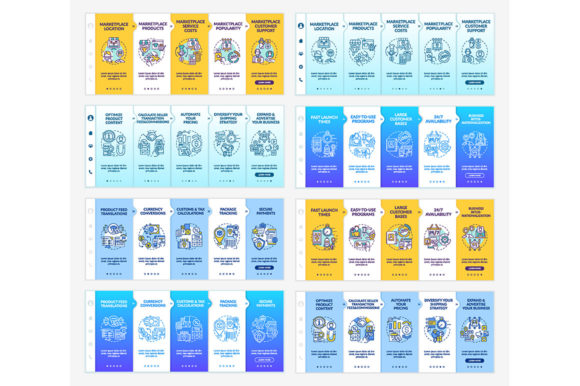
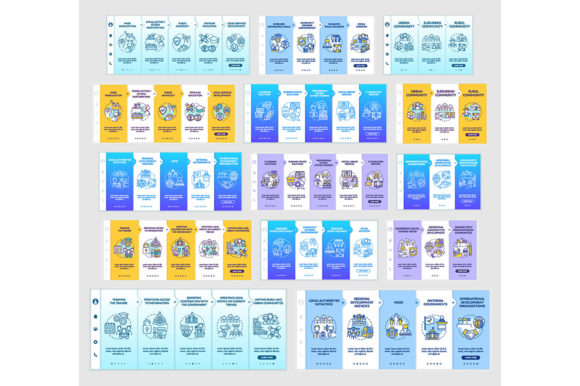
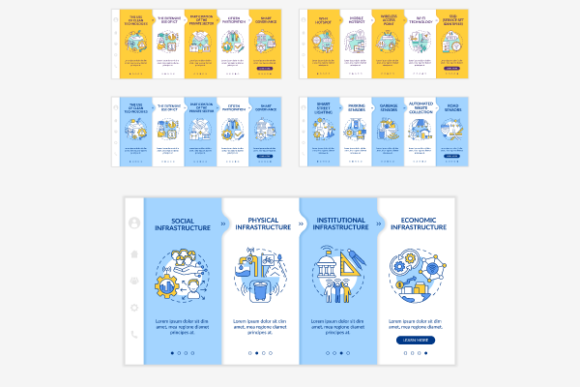
Opening Smart Sensor Systems Vector Template feels like stepping into a well-lit, thoughtfully organized lab—no clutter, no noise, just purposeful lines and breathing space. The ecological color concept leans into soft sage, muted sky blue, and warm charcoal—not loud, not trendy, but deeply grounded. Linear illustrations dominate: clean sensor icons, subtle circuit-like pathways, and minimalist walkthrough steps rendered as graceful strokes rather than dense shapes. This isn’t a design shouting for attention. It’s one that earns it through clarity and calm intention.
Where This Template Actually Belongs in Embroidery Work
I recently sketched out a custom embroidered tote bag for a local eco-conscious boutique—organic cotton, unbleached, with a quiet brand voice. Smart Sensor Systems Vector Template clicked instantly. Not as a literal tech logo, but as a refined motif for their “thoughtful tools” line: think reusable kitchen kits, compost trackers, or smart garden journals. The linear style translates beautifully to satin stitch outlines and delicate running-stitch connectors. On a medium-weight canvas tote, it reads as artisanal—not digital, not generic.
It also holds promise for baby embroidery: a tiny sensor icon stitched onto the chest of an organic cotton onesie, paired with a single leaf motif from the set. No overloading. No visual competition. Just a whisper of meaning, stitched with care. Same goes for aprons, tea towels, and pillow covers—pieces where subtlety supports function, and elegance lives in restraint.
What Holds Up—and What Needs Extra Care
This template shines on stable, medium-to-heavy fabrics: denim, twill, canvas, structured cotton blends. Its linear nature avoids heavy fill stitch areas, so stitch density stays manageable—even at modest sizes (3–4 inches wide). That means fewer thread breaks, less stabilizer bulk, and cleaner results on sweatshirt embroidery or embroidered patches meant for iron-on backing.
But here’s where attention matters: Smart Sensor Systems Vector Template isn’t built for micro-detail work. Those fine pathway lines? They’ll vanish on thin jersey, stretchy knits, or tightly woven dark fabric without strong thread contrast. On caps or curved surfaces, test placement first—the layout assumes flat, generous real estate. And avoid shrinking it below 2 inches unless you’re using high-tensile thread and ultra-fine needles; tiny corners and narrow connectors can blur or skip in machine embroidery design execution.
Also note: while the ecological palette is lovely on screen, verify how those soft tones read in thread. A pale mint satin stitch may disappear on heather grey fabric. Always mock up in black and white first—this design relies on shape and rhythm more than saturation.
How It Shapes Perception—Before and After Stitching
Customers don’t buy “vector templates.” They buy confidence, cohesion, and craft integrity. When used well, Smart Sensor Systems Vector Template elevates a handmade product from “nice” to “intentional.” It signals that the maker understands balance—that they value clarity over clutter, sustainability over flash. That builds trust, especially for Etsy sellers and small shop owners curating thoughtful collections.
On personalized gifts—a nursery pillow cover for a new parent who works in environmental tech, or a holiday embroidery kit themed around mindful living—it adds quiet resonance. No explanation needed. Just recognition. And for commercial embroidery projects, its responsive layout principles translate surprisingly well to scalable applique design: isolate one icon, pair it with a simple border, and you’ve got a versatile patch series.
Practical Notes Every Embroidery Designer Should Keep Handy
- Always test on scrap fabric first—especially if pairing with textured weaves or low-contrast thread colors.
- Review stitch order in your embroidery software. Linear paths benefit from logical sequencing to minimize jump stitches.
- Confirm hoop size compatibility before digitizing. While the source is vector, final embroidery file output depends on your digitizer’s interpretation.
- Inspect small details at actual stitch scale: those fine connector lines may need slight thickening for stability on apparel.
- Use tear-away + cut-away stabilizer combo for best results on medium-weight natural fibers.
- Check licensing terms carefully—this is a Graphic Templates asset, not pre-digitized embroidery file. Commercial use of finished products is likely permitted, but resale of the vector itself or derivative digital embroidery files requires verification.
- Compare light and dark fabric backgrounds in printable mockups before listing on Etsy or launching a craft fair product.
Final Thought: A Quiet Asset, Not a Quick Fix
Smart Sensor Systems Vector Template won’t dominate a busy marketplace banner or scream from a festival booth. But in the right context—in a curated collection, a meaningful gift, or a boutique’s cohesive branding—it becomes quietly indispensable. It’s the kind of Graphics asset that rewards patience, precision, and purpose. For embroidery designers who treat every stitch as a choice—and every finished product as a statement—it’s not just usable. It’s resonant.
If you're building a craft business rooted in authenticity, not algorithm-chasing, this template fits like a well-worn needle in hand: precise, reliable, and ready to serve something deeper than trend.