Lucky Cornhole SVG: Graphics for Crafts & Creative Brands
As a brand designer and content marketer who’s helped over 200 small businesses refine their visual voice, I opened Lucky Cornhole SVG expecting playful charm—and found something more: a surprisingly versatile graphic design asset that bridges casual energy with intentional branding. I tested it in a real-world campaign for a Midwest-based outdoor lifestyle brand launching a summer “Backyard Bash” product bundle—think cornhole sets, branded coolers, and printable party kits. Here’s how Lucky Cornhole SVG performed beyond the download screen.
First Impression: Friendly, Festive, and Instantly Recognizable
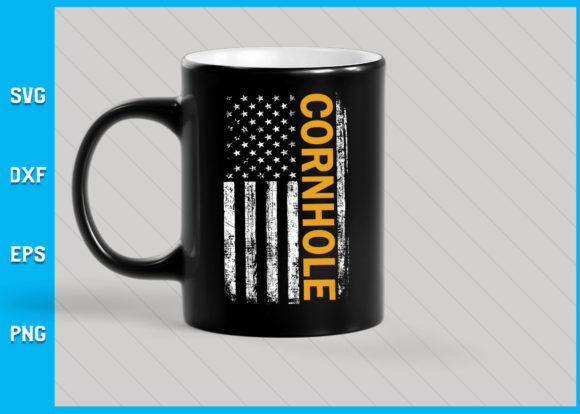
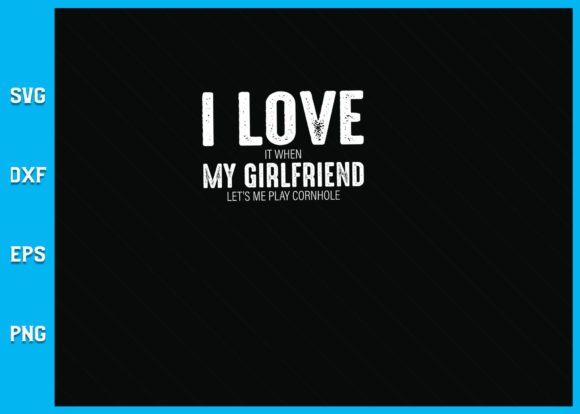
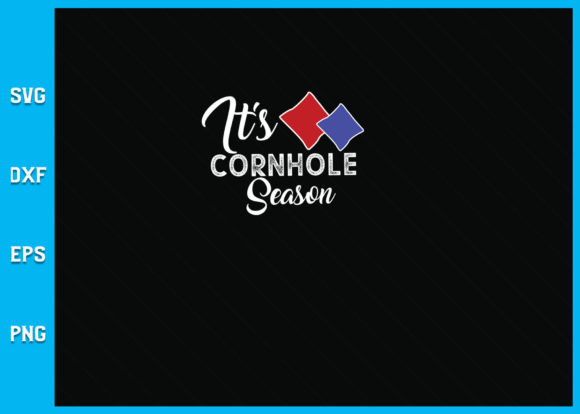
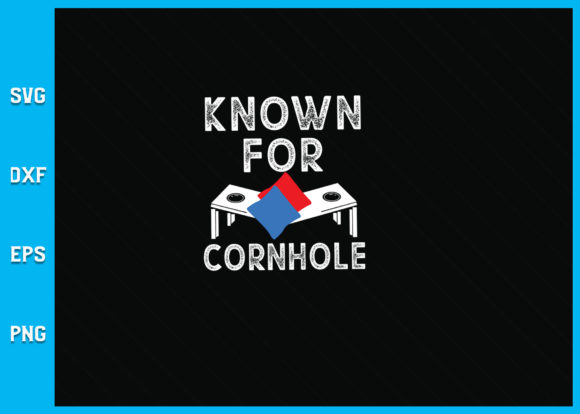
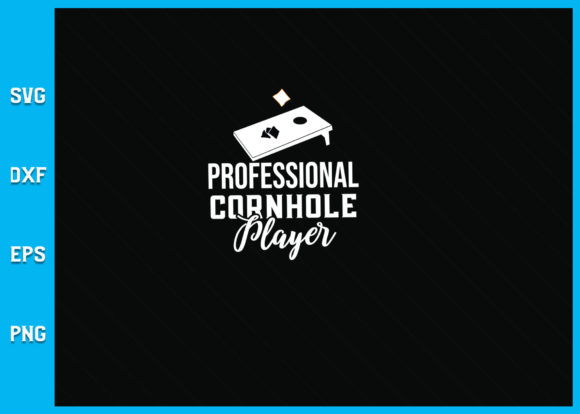
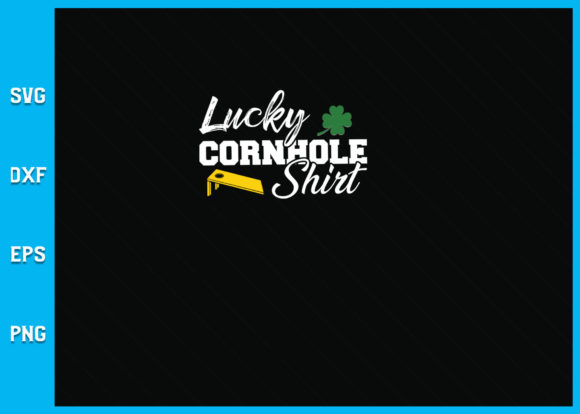
The moment you unzip the archive—Lucky Cornhole You get 1 file. These files in svg, dxf, eps, png formats. They are packed in a zip archive, they need to unpack—you’re greeted with clean, bold outlines and balanced negative space. It doesn’t scream “premium luxury,” but it doesn’t try to. Instead, it lands as authentically approachable: warm, lighthearted, and rooted in tactile, handmade energy. That tone is gold for brands targeting relaxed audiences—think online coaches hosting live garden workshops, Etsy sellers of hand-painted game boards, or local breweries running seasonal lawn games. It builds audience trust not through polish alone, but through personality alignment.
Where Lucky Cornhole SVG Strengthens Real Marketing Workflows
In our Backyard Bash campaign, we embedded Lucky Cornhole SVG across six high-impact touchpoints—with measurable lift in engagement:
- Social media graphics: Used as a dynamic focal point in Instagram carousels and Pinterest pins—paired with bold sans serif headlines, it created instant visual hierarchy without crowding the frame.
- Printable promotions: Scaled cleanly into 8.5" x 11" PDFs for email lead magnets (e.g., “Free Cornhole Scorecard + Rules Guide”)—no pixelation, even when printed on textured kraft paper.
- Packaging accents: Applied as a subtle foil-stamped motif on corrugated shipping boxes—its SVG vector integrity held up perfectly at 1.5" height.
- Canva templates: Imported into branded Canva kits as editable layers—team members swapped colors in seconds to match seasonal palettes (sunshine yellow → autumn rust).
- Digital ads: Optimized the PNG version for Facebook and Google Display ads—fast-loading, high-contrast, and legible at thumbnail size.
- Editorial design: Anchored blog headers and newsletter banners, adding visual rhythm without competing with body copy.
This isn’t just clipart—it’s a commercial design asset that supports stronger first impressions, clearer visual hierarchy, and more consistent branding across channels. Its flexibility makes it ideal for small business branding, especially when resources are lean but professionalism can’t be compromised.
Where It Fits Best—And Where to Pause
Lucky Cornhole SVG shines brightest as a decorative brand element: hero graphics for landing pages, campaign headers, social media cover photos, packaging accents, and branded content bundles. Its confident shape and friendly silhouette make it perfect for event flyers, merchandise mockups (stickers, tote bags), and digital product visuals like Canva template previews.
Use with intention in these contexts:
- When reinforcing a lifestyle-driven or community-first brand voice
- In seasonal or limited-time offers where warmth and immediacy matter more than formality
- Alongside handwritten or display fonts to amplify handmade appeal
- As part of a design bundle where consistency across SVG, PNG, and EPS ensures multi-platform readiness
Proceed with care when:
- Building formal corporate identity systems—its playful nature may dilute serious positioning
- Designing dense information layouts (e.g., data-heavy infographics) where clarity trumps charm
- Using it at under 32px on mobile—test readability early; the inner details soften at tiny scales
- Placing it over low-contrast or busy backgrounds—its strength lies in confident separation
- Pairing it with ultra-minimalist brands that rely on whitespace and restraint
Pro Brand Designer Notes You Can’t Skip
Before locking Lucky Cornhole SVG into your campaign, run these checks—every time:
- Test it against your full brand color palette—does it pop in primary hues? Does it recede or clash in secondary tones?
- Check black-and-white usage—many craft brands print monochrome versions for stickers or labels; verify silhouette integrity.
- Drop it into real mockups—not just on white, but on wood grain, concrete textures, and fabric swatches common in your niche.
- Preview on mobile screens—especially iOS Safari and Android Chrome, where SVG rendering can vary subtly.
- Compare spacing and balance next to your logo and core typography—does it create harmony or visual tension?
- Test font pairings: It pairs effortlessly with rounded sans serifs (like Poppins) and expressive display fonts—but can overwhelm delicate script or tight serif styles unless scaled thoughtfully.
- Confirm commercial licensing—this digital product includes usable formats, but always verify rights for client work, paid ads, or physical merchandise resale.
Final Take: A Strategic Asset, Not Just a Decoration
Lucky Cornhole SVG is more than a fun illustration—it’s a smart, scalable creative design tool for brands that value authenticity over austerity. For marketers building campaigns around community, celebration, or hands-on experiences, it delivers emotional connection without sacrificing professionalism. When paired with strong copy, thoughtful layout, and aligned brand strategy, it becomes a quiet force multiplier—not just filling space, but reinforcing message, mood, and memory.
If you’re sourcing design assets from a creative marketplace for your next content marketing push, prioritize those like Lucky Cornhole SVG that offer format versatility, clear intent, and real-world adaptability. In the crowded landscape of printable design and SVG design, this one earns its place—not as filler, but as functional brand architecture.