Honey Lamp, Hexagons Lamp Logo Design
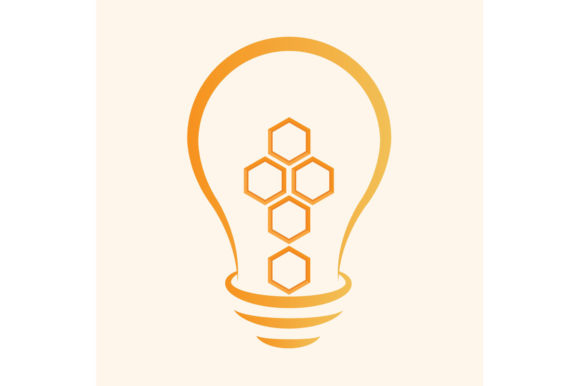
As a designer who’s stitched over 300 custom embroidery projects—from boutique aprons to Etsy baby onesies—I opened Honey Lamp, Hexagons Lamp Logo Design expecting something warm and structured. What I found was a quiet standout: clean geometry with organic softness. The hexagon frame feels grounded, almost hive-like, while the “Honey Lamp” lettering leans gently into rounded, approachable serifs—not too playful, not too stiff. It doesn’t scream “craft fair”—it whispers “thoughtful handmade.” That matters when you’re stitching for real people who notice texture, balance, and intention.
First Impressions: Where This Logo Lives in the Real World
I immediately pictured it on a linen tea towel for a local apothecary pop-up—centered, medium-scale, stitched in oatmeal thread on charcoal fabric. No flash, no fuss. Just clarity and craft. That’s the vibe: Honey Lamp, Hexagons Lamp Logo Design isn’t built for loud branding or aggressive marketing. It’s for makers who value subtlety—small shop owners curating cozy nursery decor, Etsy sellers packaging honey-themed baby blankets, or craft fairs where customers pause to feel the stitch density before they read the label.
The hexagon shape is its strongest asset—and its gentlest limitation. It reads beautifully on flat, stable surfaces: pillow covers, tote bags, front-of-apron placements. But that same shape tightens up fast on curved or narrow zones—like the back of a dad cap or the cuff of a sleeve. If you’re planning sweatshirt embroidery, aim for the chest or upper back, not the sleeve placket. And skip it entirely for tiny baby onesie fronts unless you’re scaling down *and* simplifying corners—those sharp hexagon points don’t translate cleanly below 2.5 inches without losing definition.
How It Performs Across Common Embroidery Projects
- Custom apparel: Works best on midweight cotton or fleece—think crewneck sweatshirts or relaxed tees. Avoid thin jersey or stretchy performance knits unless you add cutaway stabilizer and reduce stitch density manually. The logo’s moderate detail holds up, but running stitch outlines can blur on unstable fabric.
- Tote bag design & kitchen textiles: A natural fit. Linen, canvas, and heavy cotton duck let the hexagon frame anchor the design without distortion. On tea towels, use matte cotton thread—it catches light softly, reinforcing the “honey” warmth.
- Baby embroidery & nursery decor: Gentle enough for bibs and burp cloths—but only if you test stitch density first. Dense fill stitches inside the hexagon can stiffen delicate fabrics. Opt for lighter underlay and open satin stitch on lettering to keep it breathable.
- Embroidered patch & applique design: Highly adaptable. The contained shape makes it ideal for sew-on or iron-on patches—just confirm the file includes clean edge paths for cutting. As an applique base, it gives structure without overwhelming small-scale items like hair clips or mini pouches.
- Holiday embroidery & personalized gifts: Shines in neutral palettes—cream on sage, terracotta on oat, charcoal on ivory. Avoid high-contrast combos (neon on black) unless you’re targeting bold modern aesthetics. Its quiet confidence makes it memorable on wedding guest towels or anniversary kitchen sets.
Where to Proceed With Care
This isn’t a one-size-fits-all machine embroidery design. Its charm lies in restraint—and restraint demands attention to context.
- Dark fabric: The subtle curves and inner spacing rely on tonal contrast. Test thread colors in natural light—not just screen previews. A warm taupe may vanish on navy; a soft gold pops. Always mock up in grayscale first.
- Textured fabrics: Bouclé, tweed, or slubbed linen will mute fine interior lines. Simplify where possible—or lean into the texture by choosing matte, low-sheen threads that nestle into the weave instead of fighting it.
- Frequent-wash items: Like baby onesies or kitchen towels? Prioritize stitch stability over ornamentation. Check whether the original file uses dense fill stitches in tight corners—those areas wear faster. Lighten them if your editing software allows.
- Commercial embroidery & digital product sellers: Remember: this is a Graphics asset, not pre-digitized embroidery file. You’ll need to digitize it yourself—or hire a digitizer—before stitching. Confirm licensing permits resale of finished embroidered goods *and* digital mockups. When listing on Etsy, clarify whether buyers receive vector files only or embroidery-ready formats.
What This Logo Adds to Your Finished Product
It elevates perceived value without shouting. Customers don’t buy logos—they buy trust, cohesion, and care. Honey Lamp, Hexagons Lamp Logo Design delivers that through visual consistency: balanced weight, intentional negative space, and a theme that feels cohesive across paper goods, wall art, *and* stitch work. Use it on your business card, then stitch it onto your market tote—it reads as one voice, not two disconnected assets.
For handmade presentation, it avoids the “clip-art” trap. There’s no excessive swirl, no forced whimsy—just confident simplicity. That translates directly to buyer engagement: people linger longer on listings with calm, intentional design. And for giftability? It’s quietly special. Not flashy, but meaningful—like honey itself: golden, slow-made, and deeply rooted in craft.
Practical Embroidery Designer Notes
- Always test Honey Lamp, Hexagons Lamp Logo Design on scrap fabric matching your final project’s weight and stretch.
- Check thread color contrast on both light and dark backgrounds—not just digitally, but physically, in daylight.
- Review stitch density in tight zones (hexagon corners, letter terminals). Adjust if needed for fabric type or durability needs.
- Confirm hoop size compatibility early—especially for curved surfaces like caps or mugs (if used on embroidered sleeves).
- Inspect small details at actual stitch scale: are inner lines legible? Do curves flow smoothly, or do they pixelate?
- Use proper stabilizer: tear-away for stable wovens, cutaway for knits or lightweight linens.
- Verify licensing terms before selling finished embroidered products or digital mockups—especially for commercial embroidery or Etsy shops.
In short: Honey Lamp, Hexagons Lamp Logo Design earns its place not by being everywhere, but by belonging—in the right project, on the right fabric, for the right customer. It’s the kind of design that doesn’t distract from your craft. It supports it.