Fall Mushroom, Leaves, Pumpkin
First Impressions: Soft, Seasonal, and Surprisingly Versatile
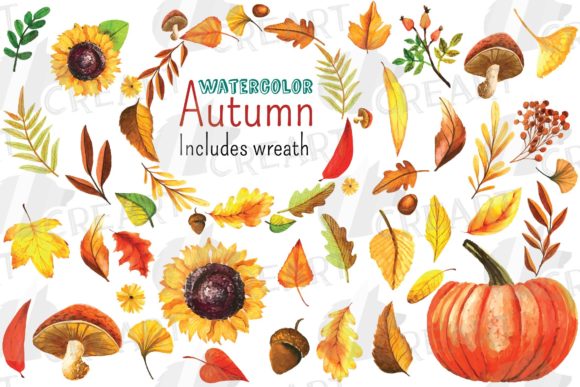
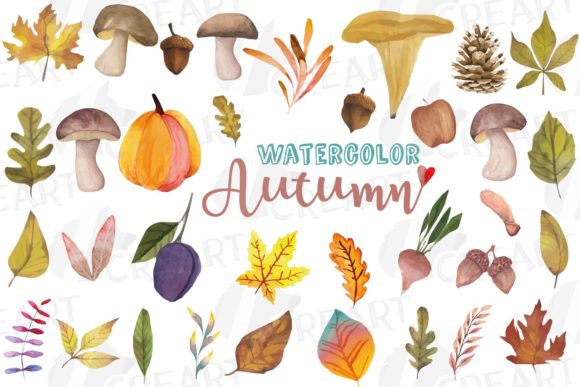
Opening Printable Fall Mushroom, Leaves, Pumpkin feels like flipping through a quiet autumn sketchbook—watercolor washes, gentle edges, organic shapes. It’s not bold or graphic; it’s poetic. The 35 elements—mushrooms with subtle gills, leaves with delicate veins, plump pumpkins with hand-painted texture, acorns with soft shadows—carry warmth without clutter. As an embroidery designer who’s stitched hundreds of seasonal motifs, I immediately sensed this pack leans into *handmade charm*, not mass-produced precision. That’s a strength—but only if you match it to the right project.
A Real-World Test: Embroidering a Linen Kitchen Towel for a Local Boutique
Last week, I used three elements from Printable Fall Mushroom, Leaves, Pumpkin—a curled maple leaf, a small orange mushroom, and a tiny acorn—to embroider a set of linen tea towels for a downtown gift shop. Why linen? Because its natural slub and matte finish mirrors the watercolor aesthetic. Why those three? They’re spaced loosely, avoid tight corners, and sit comfortably within a 4” hoop. The result? Customers paused at the rack—not because it screamed “fall,” but because it felt *considered*. One woman bought three, saying, “It looks like something my grandmother would’ve painted.” That’s the signal: this design works best where authenticity matters more than flash.
Where It Shines (and Where It Doesn’t)
Printable Fall Mushroom, Leaves, Pumpkin excels in low-density, medium-scale embroidery projects:
- Custom apparel: Works beautifully on cotton sweatshirts and canvas tote bags—especially when placed off-center or along a seam. The soft edges prevent harsh contrast against textured fabric.
- Baby embroidery: Gentle shapes translate well to onesies and burp cloths. No sharp points or micro-details that snag or fray.
- Patches & aprons: As an embroidered patch, it reads clearly at 2.5–3.5”, especially when backed with tear-away stabilizer and stitched with matte cotton thread.
- Holiday gifts & nursery decor: Stitches cleanly onto muslin pillow covers and lightweight quilting cotton—ideal for handmade baby shower presents or boutique shelf appeal.
But be cautious with:
- Stretchy or thin fabrics: The watercolor-style outlines lack crisp containment lines—so on jersey or rayon, they can blur unless stabilized heavily and stitched slowly.
- Dark or dense backgrounds: Light washes lose definition on charcoal or black fabric. If using on darks, consider adding a subtle satin-stitch outline (not included in the original graphics) during digitizing.
- Caps and curved surfaces: Avoid placing intricate clusters (like overlapping leaves + mushrooms) across crown seams—it distorts the watercolor flow and muddies stitch clarity.
- Commercial embroidery at scale: While lovely for small-batch Etsy listings or craft fairs, the organic looseness means consistency across 50+ units requires extra digitizing attention—especially for fill-stitch density and underlay balance.
What It Adds to Your Finished Product—Beyond Pretty
Using Printable Fall Mushroom, Leaves, Pumpkin isn’t just about decoration—it subtly elevates perception. On a personalized gift, it signals care: the recipient sees intention, not automation. For your craft business, it reinforces brand warmth—especially if your shop leans rustic, botanical, or slow-made. Etsy sellers report higher engagement on listings featuring this style as a *printable mockup* background or as part of a cohesive digital embroidery file bundle. And because the elements are separate—not locked into one rigid layout—you can mix, rotate, and reposition them to fit varying hoop sizes and garment placements. That flexibility is gold for small shop owners juggling custom requests.
Practical Designer Notes Before You Stitch
This isn’t a plug-and-play machine embroidery design out of the box—it’s a Graphics pack, meaning you’ll need to digitize or adapt it. Here’s what I do every time:
- Test on scrap fabric first—especially if stitching on textured linen or terry cloth. Watercolor edges behave differently on each surface.
- Check thread color contrast before finalizing. A pale yellow pumpkin on cream linen disappears; swap to ochre or burnt sienna for clarity.
- Review stitch density in any fill areas—some watercolor blobs digitize too densely and pucker lightweight cotton.
- Confirm hoop size compatibility. Many elements scale gracefully down to 3”, but avoid shrinking the detailed acorn cap below 1.75”.
- Inspect small details in black-and-white mockups—what reads as soft in color may vanish entirely when converted to monochrome for preview thumbnails.
- Use proper stabilizer: medium-weight cutaway for knits, tear-away for stable wovens, and a light topping for napped fabrics like terry.
- Verify licensing before selling finished items or bundling as digital embroidery files—this is a Print Templates asset, so commercial use terms must be confirmed directly with the creator.
Final Thought: A Quiet Design With Real Purpose
Printable Fall Mushroom, Leaves, Pumpkin won’t dominate a trade show booth—but it will make someone smile while unrolling a holiday gift towel, pause mid-scroll on your Etsy shop, or choose your handmade apron over a printed one. It’s designed for makers who understand that sometimes, the most compelling embroidery isn’t about complexity—it’s about resonance. Use it where softness matters, where seasonality feels personal, and where your customer values the quiet confidence of a well-chosen detail. Just remember: let the watercolor breathe, respect the fabric, and always stitch with intention.