Christmas Botany: Free Graphics for Local Branding
As a brand designer who’s helped over 70 local businesses refine their visual identity—from artisanal candle studios to neighborhood coffee roasters—I recently evaluated Christmas Botany not as a marketplace download, but as a working graphic design asset for real small business branding. My test case? A seasonal rebrand for “Hearth & Petal,” a women-owned botanical skincare boutique launching limited-edition holiday soaps and gift sets.
A First Impression That Feels Like Handmade Warmth
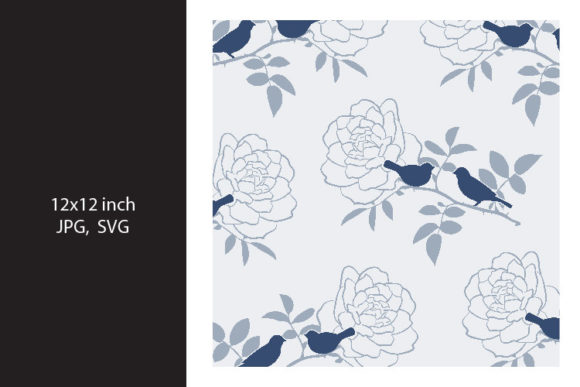
Opening the file, I was struck by how Christmas Botany balances festive energy with organic sophistication. It’s not cartoonish or overly commercial—it features delicate holly sprigs, soft pine boughs, and subtle berry clusters rendered in clean vector lines, with gentle curvature and intentional negative space. The mood is quietly celebratory: warm, grounded, and gently feminine—ideal for food businesses, handmade soap brands, florists, or home decor shops that value authenticity over flash. It reads as *handmade*, not mass-produced; *botanical*, not generic; and *seasonal*, not clichéd. It leans into rustic elegance rather than bold modernism or minimalist luxury—so it won’t suit a high-end tech startup, but it shines for a local bakery wrapping gingerbread cookies or a candle brand stamping wax seals on gift boxes.
Where Christmas Botany Earns Its Place in Real Business Design
This isn’t just clipart—it’s a flexible, scalable element that strengthens brand identity across touchpoints. In our Hearth & Petal project, we used Christmas Botany to unify everything from product labels to social media graphics:
- Product labels: Applied as a subtle border around soap jar tags—reinforcing botanical credibility while adding seasonal warmth without overwhelming ingredient lists.
- Packaging accents: Placed asymmetrically on kraft gift boxes and tissue paper prints, giving handmade packaging instant cohesion and shelf appeal.
- Thank-you cards & hang tags: Scaled down and paired with serif typography—creating a tactile, premium unboxing moment customers photograph and share.
- Social media graphics: Used as a watermark-style overlay on flat-lay photos of holiday bundles, boosting visual consistency across Instagram and Facebook ads.
- Printed marketing visuals: Featured prominently on seasonal flyers and in-store posters—its balanced composition ensures readability even at 24” x 36” scale.
Crucially, Christmas Botany supports stronger customer trust. When applied thoughtfully, it signals intentionality—not just “we added Christmas,” but “we designed this season with care.” That translates directly to better product recognition, clearer visual hierarchy on crowded shelves, and more polished marketing visuals that feel locally rooted, not templated.
Best Uses: Where This Graphic Design Asset Truly Delivers
Christmas Botany excels where decorative warmth adds meaning—not distraction. It works best as:
- A hero graphic above product mockups for Etsy or Shopify banners
- An elegant accent on seasonal packaging—especially kraft, linen, or cream-toned substrates
- A unifying motif across printable design collections (e.g., matching gift tags, recipe cards, and shopping lists for a local food brand)
- A background texture in Canva templates for small business owners managing their own social media graphics
- A refined alternative to generic holiday clipart in editorial design for local newsletters or community magazines
Cautions: When Less Is More With This Asset
Even strong design assets need context-aware application. Christmas Botany should be used carefully—or avoided—in these scenarios:
- Formal corporate branding (e.g., law firms or financial advisors launching holiday mailers)
- Very small product labels (<5mm height) where detail blurs or vanishes in print
- Crowded packaging layouts where it competes with legal text, certifications, or ingredient hierarchies
- On low-contrast backgrounds (e.g., light green on pale mint) that mute its delicate lines
- For luxury minimalist brands relying on stark negative space—here, it risks feeling ornamental rather than essential
Practical Brand Designer Notes Before You Launch
If you’re evaluating Christmas Botany for client work or your own small business branding, here’s what I tested—and recommend you do too:
- Drop it into a real product mockup (not just a white canvas)—see how it holds up on textured kraft paper or matte-finish sticker stock.
- Convert to grayscale: Does it retain enough contrast for black-and-white printing on thank-you cards or price lists?
- Preview at 8pt size on a label mockup—check legibility and proportion.
- Test it beside your brand fonts: Does it harmonize with a warm serif (like Playfair Display), a friendly sans (like Montserrat), or a delicate script (like Pacifico)?
- Inspect the SVG: Are paths clean and editable? Can you isolate stems, berries, or leaves for custom arrangements?
- Verify PNG transparency—no stray pixels or anti-aliasing halos that muddy crisp edges on digital ads.
- Compare against competitor packaging: Does it help your brand stand out—or blend in?
- Confirm the commercial license explicitly permits use on physical products (e.g., soap labels sold to customers) and digital marketing visuals (e.g., paid Instagram campaigns).
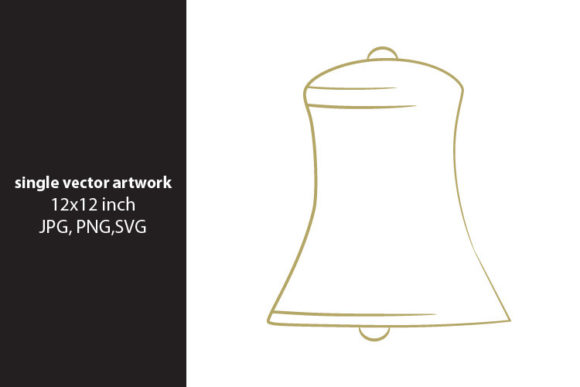
Remember: Christmas Botany is a single vector artwork—but its impact multiplies when treated as part of a considered brand system. For local business owners, handmade sellers, and creative entrepreneurs building authentic connections, this kind of thoughtful, seasonally resonant design asset isn’t just decoration. It’s a quiet signal of care—one that helps customers choose your jam over the supermarket’s, your candle over the big-box brand’s, and your story over the algorithm’s noise.